
Blog – The importance of storytelling – Danyah Miller
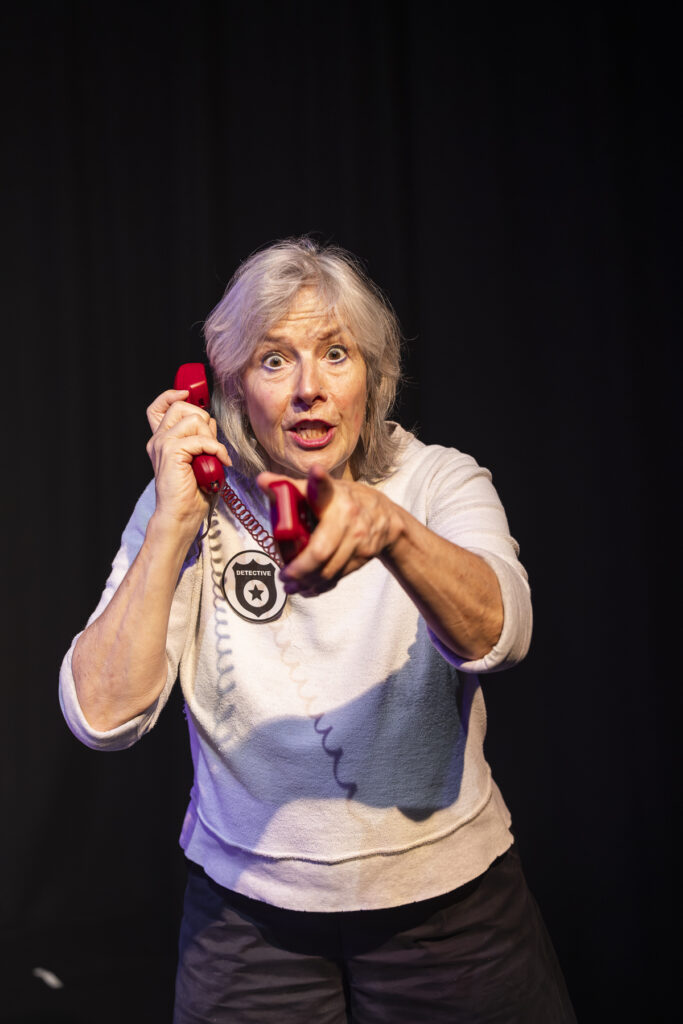
The Mystery Of Pleasance Two is performed at Pleasance Courtyard
Oral storytelling is so important. Stories are how we make sense of the world. Before we can read or write, we listen and we imagine. We’re sharing stories with each other every day, as we chat with friends, debate issues with our colleagues, create marketing documents or evaluate an historical incident… Our politicians tell tales every day!!
If we hear a ‘half story’ we’re likely to fill in the gaps, put the pieces together and make up our own endings (sometimes called gossip or Chinese whispers!).
Evidence from behavioural science, psychology and neuroscience shows that storytelling has the power to change how people think and to influence their behaviour.
Recently, The Reading Agency’s research demonstrates that reading and storytelling are vital for well-being and learning, with regular readers 58% more likely to feel happy, 35% less likely to feel lonely, and 51% more likely to find it easy to relax. Storytelling and reading enhance cognitive development, boost creativity (24%), and help over 1 in 4 adults learn new skills.
I’ve spent most of my working life sharing stories, in schools, libraries, village halls, at festivals, and in West End theatres with children and families, teaching storytelling skills to adults. I’ve seen first-hand how transformative oral storytelling can be, helping to build literacy skills whilst boosting trust and kindness between disparate people, strengthening the imagination whilst improving memory and focus.
Our latest theatre show, The Mystery of Pleasance Two, which will be at Edinburgh Festival Fringe in August has spontaneous storytelling and improv at its heart. It’s a playful theatrical murder mystery, a cross between a Cluedo-style board game, an escape room and a murder mystery evening.
I love watching our audience (collectively cast as detectives) young and old alike, immerse themselves in the game, in the story making. They’re working out what, why and who, specifically whose name is in our ‘Who Did It’ envelope. And the young people are often wonderfully perceptive, spotting inconsistencies, asking bold and silly questions and responding powerfully when they feel genuinely included. For me, storytelling isn’t about talking at people; it’s about creating space for curiosity, play and shared thinking and place where we’re all transformed.
One of the most moving moments of my career came not from a review or an award, but from a seven-year-old girl who turned to her mum after a show and said, ‘If I can’t be a teacher, I want to be a Danyah.’ This comment has stayed with me because it captures exactly why storytelling matters. Stories show people what’s possible, inspiring us to believe we can achieve more than we thought possible.
Whether I’m standing in a classroom, enjoying a run at the Fringe or performing on a West End stage, my intention never changes. Stories build empathy and remind us that we’re not alone. And in a world that feels fast-paced, fractured and disconnected, the simple act of gathering to tell and listen to a story is more important than ever.
The Mystery Of Pleasance Two is performed at Pleasance Courtyard (venue Pleasance Two)
Wednesday 5 – Sunday 16 August, 12pm, (not Wednesday 12 August).
Tickets from £13
Box Office 020 7609 1800
WEB: pleasance.co.uk